| OCR Text |
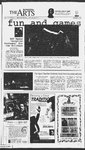
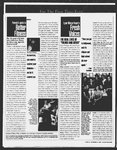
Show The SaltLakeTribune . ceCTloy, GHE THOUSAND YEARS MARKING THE MILLENNIUM SSL From ‘The Last Judgment’ to Utah's Own ‘Capitol Reef,’ Art Has Been Raising Hackles BY MELINDA MILLER THE SALT LAKE TRIBUNE Throwing darts at “Dogma.” Harassing “Harry Potter.” Hosingthe elephant dung Madonna in Brooklyn. ae packing up racy Rodins in Pro- DAs the millennium turns,art is causing a ruckus. This is not a new development. Getting angry aboutart is as old as — older than — thelast millennium. And while protests today focus on theartist’s lackof respect forreligious, social and political icons, in previous centuries — up until this one — the objectionsoften were over much more than matters of taste. For hundreds and hundredsofyears, art was howpeople described them- selves, it was their truth. There were no daily newspapers, no “caught on video” television shows, no documentaries, movies, radio or hpmepages. Until about 150 years ago, there wasn't so much as a grainystill photograph to show the hinterlands whattheking,thecity or the battle looked like, much less what was happening elsewhere aroundtheglobe. It was artists whotold thestories of their cultures andtheir faiths, through paintings, sculpture,theater, literature and music. Fora long time theytoiled in obscurity, considered little more than commoncraftsmen,butstarting around mid-millennium,whenthe Renaissance was really rolling, their talent some- times made them rich and famous. Bd Oberbeck / The Salt Lake Tribune And, sometimes, there washeilto pay. In his book The Destruction ofArt, sands: 1000 years ago in Byzantium; in Northern Europe during the Reformation; in Paris during the French Revolution, and this century in Nazi Germany. ‘The early attacks, Gamboni writes, were aimed atthe religious (orirreli- gious) subjects the art portrayed — when Eastern Christians decided thatreligious art was blasphemous. Later, people attacked art because ofits political con: text (as in France during the revolution and 100 years later, in the 1870s during battles between the Paris Communeand the government, whenlibraries were burned). “Onlyin this century have people attacked the art itself, for being ‘bad’ or ‘profane’ in whatit is doing,” Gamboni says. Recent examples would include Cincinnati’s outrage over the photos of Robert Mapplethorpe, and the National for the Arts’ of Karen Finley's angry naked perfor- mance art, in addition to the recentfuss over the Brooklyn Museum's exhibit “Sensation,” which included an image of the Virgin Mary that incorporated elephantdung. Throughouthistory, angry and frightened people havefocused their anger on Murphey Takes His Revenge, Last week, the author started a new job CHAPTER 27 Shortly afterI joined Hemenway & Moser Co, Fred Murphey Jr. was officially designated as the vice president in charge of retail and vending machine operations, He was in his early 50s, smoked three packs a day and had a 17 golf handicap. With a normal temper he would have played to a 6 or 7. No one liked to play golf with him because of his terrible tantrums.If you beat him on hole, he JOR COPY & poverty of the people.” Even the Old Testamentfigures adorning the Cathedrai of Notre Damewere pulled down andbe- headed, as impassioned revolutionaries mistook them to be kings of France. (Yearslater, the heads ofthe statues were excavated from a landfill and now can be seen across the river from Notre NativeVtahn. In the 1960s, whensales of Beatles mu. sic surpassed Bible sales, John Lennon remarked “We're more popular than Jesus.” Irate religious folk responded by smashing and burning “She Loves Me” ae any other Fab Fourhit they could century, national leaders with names like Jesse Helms led campaigns to cut federal funds for the arts for centu- ries art hasrelied on the patronage of the state, churchoraristocracy be cause someofthe artists produced work he deemed “obscene.” Thatlabel has been aroundfor a while.It landed on another work when it was completed in 1541, “The Last Judg: ment,” Michelangelo's altarpiece for the Sistine Chapel. Once the public got an eyefulofit, the fresco raised eyebrows all around Rome. Sce ART, Page J-6 WhenI got backtoourtable I made note of time, place, date and behavior of my boss. Thus began my keeping of book on our ill-tempered leader. By the first of December,I had com- piled a damning dossier on the deceptive date, I got my annual bonus check as au. ceived the previous year. Our earnings and my contributions to our success thorized by him myfirst six months’ employment our tight-fisted boss gave me a surprise bonus equal to three months’ salary. I got a 50 percentraise after 18 months. Moser personally guaranteed my bank loan for anewcar. | had become merchandise manager with the corporate title assis The late Laurance W. Cracroft penned the tantto the president During the summerthat began my third year with the company, John manuscript for @ book on his ie in Utah,a Moser had fatal heart attack. Some i ished, Gambonisays, use “their royal was an insult to the ulation happily tossed books on the Inthe UnitedStates ofthe late 20th Previous chapters of "Confessions of a Na- tive Utahn”are available through Utah Online al www.sitrib.com. Click on “City Lights” once you reach the Web site. and crooked Mr. Murphey. Andon that eral manager, hosted a smail dinnerat a was that Fred Murphey Jr. was my cor: porate superior. And he wanted to get rid of me. He started by teliing me about good jobs which were elsewhere available, often leaving a note advising whom burning piles, much as, 500 years earlier in 15th century Florence, artists and art patrons brought their ownartworks to the burningpiles, destroying them as in: strumentsof sensual pleasure and symbols of an immoralsociety. herent in working for analcoholic (our mutualboss). He often lamented the stinginess of John Moser,butat the end of was quite capable of throwing an 8-iron Thechief awkwardness of myplight insensitive and profligate monarchy took to toppling statuary at every turn. The grandpublic buildings were demol- InParisof the late 1700s, mobs intent on revolution and the overthrow of an to callfor a job interview. He keptreminding meofthe lackof job security in- at a time in rapid succession. at you. Or all of the woods in his bag one Dame, in the Cluny Museum.) In Nazi Germany ofthe 1930s, the pop- ONFESSIONS_ °F 4 And Cracroft Starts Planning His with promises ofadvanncement. the images that threatened them. weekslater Fred Murphey, now our gen: humorous look at its idiosyncrasies, its joys andits tribulations. We are present. ing weekly serialized excerpts from it. private club. We had had a long andgen: erous cocktail hour, during which our passed the bar, behind which I beheld a host twice reminded us of his 21 years withoutalcohol crouching Fred Murphey Jr. The abste- During dinner I left the table to visit the men’s room. On my way back I about four fingers of bourbon whiskey. a ® mious Mr. Murphey was knocking off “ half of whatI had re- news. There awaited meat home, she said, a telegram from Marine Col. Robert E. Cushmanoffering me a well-paying position with the federal government. As it turned out, myold commanding warranted a check four times as big as that whichI received. The checks were distributed shortly after lunch and I faced Murpheyin his office within min. utes, asking for an explanation for my officer was attached to the CLA and the being short-changed. He made no at. temptto pacify me. What he was doing was spitting in my eye, There wasn't going to be any five-year management suc command. The compensation was attractive and the prospects for promotion cession program, as promised by Moser. He was forcing meto resign. Indeed, he twice sneeredthat if! were not happy, | could certainly quit. He was transpar- ently whenI failed to do so. Feeling abused and angry, | wentto my office, called my wife and told her what had happened.| said I thought 1 wouldstick it out through Christmas, re signingas of thefirst of the year. She was in full agreement. She, too, had some job offered was a military operations planning position, the work being simi. lar to thatI had performed under his good, according to the colonel. I was in: terviewed surreptitiously by three spooks on the mezzanine of the Hotel Utah and advised themthat I would report for duty in Washington, D.C. on or about Jan. 15, 1949. On Dec. 16, however, I was summoned by the owners of Hemenway & Moser to A meeting. Next Week: Blowing the whistle on the company bad guy. 5 = Rss Dario Gambonitells of the periods when artworks were demolished bythe thou- |