| OCR Text |
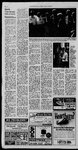
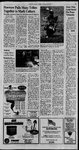
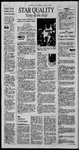
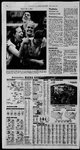
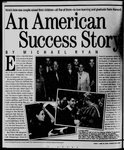
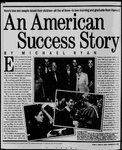
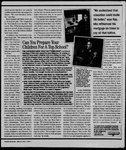
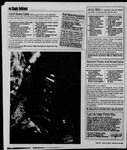
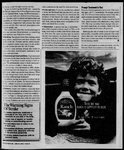
Show alized quicklythat their son could be New Mexico. When my parents figured a stellar studentif they encouraged his outthat this was an investment toward talents. “We were education nurtur- higher education, they let me spend every Saturdayat the university.” ers,” says Ray. Rose worked with Martyevery day “Ourparents knew that they wanted to develophis gifts. “She bought him us to go to the best college, and they worked back from that,” says Andrea, the World Book Cyclo-Teacher,” Ray recalls. This 1970s learning tool posed who holds a master’s degree in comquestionsin math,history and geogra- puter science, a law degree from phy. Every oneof the Chavez children Stanford andis nowvice president of a San Francisco-area software compaspent hours with it. In addition, Ray borrowed a com- ny. “They believed that we hadto go to puter from work.“We connectedto the the best prep schoolto getinto college, ARPANET[forerunner of the Internet] with a 100-baud modem,” Marty says. “My dad did everything he could to help THE CHAVEZES KNEW WHAT MATTERED MOST—a love of me learn.” learning, a first-rate education and diligence. Of course, it Buttechnology, such helps to have smart children who are willing to work. “The as it was, was not the world has changed since our kids were growing up,” says Ray Chavez, whose family pretty much grew up in a world only answer. Ray and in which video games, online chat rooms and Web-surfing Rose Chavezalso cre- were unknown or rare. To help keep your children focused ated a home environ- on the inherent values of learning, the Chavezes advise: ment that fostered @ RESTRICT TV. The two exceptions in the Chdvez household “We understood that education could make life better,” says Ray, whorefinanced his mortgagesix times to payall that tuition. Can You Prepare Your ™ Children For A Top School? learning. Rose took were 60 Minutes and Star Trek. ‘tt we had extra money,” $10,000 from herretirement accountto buy a Steinway baby grand piano, which Rose recails, “we bought books and encyclopedias.” @ PLAY CLASSICAL. MUSIC AND READ TO YOUR CHILDREN. The now dominates their ¢ GIVE YOUR CHILDREN A HEAD START. The Chavezes taught Chavezes played the classics when their kids were toddlers and read to them until they began reading themselves. Baarhswek at sclence fair, Above: Andrea, at 14, with the violin she played schoo! thehigh inin the high school Rance ee | academics, all compactliving room. their children math, geography and music so that when the | Chavez children studied music—and youngsters started school, they went to the head of the All the children played practiced regularly. class—and stayed there. “We were all in this together,” at least one instrument, Rose says. “Weall worked to makeit happen.” with violins and clasLoans, scholarships and after-school jobs sical guitars filling © BE WILLING TO SACRIFICE. Getting their children into the best schools—and whatever empty space helped the children wasn't taken up by through both Albufamilies whose kids get accepted to good schools, then the books. At one point, ) querque Academy parents say, ‘We can’t afford it—we're only middle-class,’” Rose even took a night and Harvard. Still, ‘says Rose. “You can’t have everything. You can’t have a big job to be home fullthere was muchbeltcar and a big vacation. You have to decide what’s important.” ightening. “Weate a time with her children—teaching,coaching, encouraging and we hadtogotothe best parochial lot of peanut butter andjelly sandand tutoring them, She taught all of them schoolto getto the best prep school.” wichesfor lunch,” says Rose. to read before theystarted school. Allfive children wentfrom parochial Although the five Chavez children Marty adds that, in addition to a heavy schoolto the prestigious Albuquerque excelled academically, some people emphasis on learning, his parents al- Academy; yet, even with help from assumed they were receiving special ways insisted on knowingtheir chil- scholarships, Ray and Rose had to treatment because oftheir ethnic backdren's whereabouts. “They wanted to scrimp. “We've alwayshad just one car,” ground. “Once, a womanat a parents’ knowwhoourfriends were,” he says. says Ray. The schedule ofclasses, lessons meeting said somethinglike, ‘] ought “And if we wanted totake part in an ac- and enrichment programs the children to change my nameto Sanchez’—astivity, my parents madesure thatit pursued sometimesforced Raytoscav- suming that would help her kids get would contribute to our education. For enge for wheels,“For a couple ofyears, into good colleges,” Rayrecalls. Far example, while I was still in high school, I bicycled five miles to work and back from receiving specialtreatment, each Chavez son and daughter applied to took math coursesat the University of every day,” he recalls. PARADE MAGAZINE - JUNE 30, 2002 PAGE 5 Harvard withstellar grades andhightest scores, earning a place through a highly competitive admissions proces: There wasnofree ride on tuition, either: Ray and Rose refinanced their mortgagesix timesto help pay for prep school andcollege. For now, Ray and Rose Chavez's work is done. Elenais working for Sen. Jeff Bingaman (D., N.M.). Unlike her four siblings, she doesnot plan on a career in technology; instead, this fall she’s entering the graduate program in public policy at Harvard’s John F. KennedySchool of Government. Rayand Rose nowhave five grandchildren and vague thoughts aboutretirement and travel. Their children have treated them to trips to Europe, and Andrea bought them a shiny new VWBeetle. Still, Rayand Rose Chavez seemindifferentto luxuries and status symbols. Butthere is one exception, On the living roomwall, alongside the framed diplomas, hangsa special plaque signed by the Dean ofHarvard College and conferred at Elena's commencementin June 2001. It reads: Zo Ramén and Rosario Chdve:—Harvard expressesits respect, admiration and thanks for the gift of their five extraordinary children. To read more American success stories trom PARADE’: or to e-mail a favorite columnist in the magazins, | | saaeee |