| OCR Text |
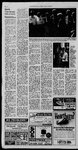
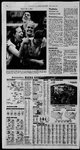
Show TheSalt Lake Tribune UTAH Al2 Sunday, June 30, 2002 History,, Downtown =o oe 1847 Mormon pioneersarrive; Brigham Young subdivides Salt Lake City 1850 Councii Hall circa 1850 Council Hall, seat of church, city, county andterritorial offices (burned | in 1883), opens on southwest corner of Main and South Temple; LDS Church establishes Deseret News. 1852 ‘The IdahoStatesman file photo Tenor saxophonist Rob O'Harraplays during a noon concert on Eighth Streetin downtown Boise,Idaho,in this 1999 photo.Eighth Streetis a lively mix of restaurants andbars that is even more energetic during a weekly “Alive After Five”festival at the city’s central plaza. Lion and Beehive houses open on South Temple. 1862 Boise’s Downtown Vibrant Salt Lake Theater opensat State and 100 South BY JOE BAIRD 1864 Samuel, Frederick and Theodore Auerbach establish Auerbach's Store 1865 Walker Brothers Banking Co. opens on 200 South and Main 1867 LDS Tabernacle is dedicated. 1869 starters, its transit system is inefficient, underfunded and underutilized ‘THE SALT LAKETRIBUNE but nobodypines for the old days. “I wanted to be able to live and walk around downtown,”says Eric Abretson, a formerSalt Lake City resident. Eighth Avenue, manyof them seated “I camehereandfell in love with the on sidewalk patios. Two blocks away, nearly a thousandpeoplearetaking in food, drink and mu: at the weekly “Alive After Five” festival at the city’s central plaza. Many havechildren in tow. All on a Wednesday. And why not? place. It’s exactly what I was looking ing downtown’sold buildings.It called opment followed. The Grove eventu- for.” for a networkof city-built, merchantvalidated parking garages and zoning ally blossomed with a bank high-rise, BOISE, Idaho It's 7 p.m. and ise resident FlueretteRita. he hastens to add, “it to get to this.” ct, it was during the mid-1970s that Boise — like Salt Lake City, 300 miles to the south began a debate that centered on the development ofa regional mall in the heart of downtown, But unlike Utah’s capital, which wound up approving twogiant, climatized shopping complexes, Boise reAfter flattening eight blocks to make way for the mall, Idaho's largest city was unable to land anchortenants, igniting a political battle that draggedonfor years. Ultimately, city leaders shipped the mall to an anchor-friendly freeway location and began rebuilding their downtown core with offices, shops, restaurants, theaters, apartments and Crews complete the Utah Central Railroad, connecting Salt Lake City to the transcontinental railroad at Ogden. 1871 The Salt Lake Tribune begins publication. 1872 Salt Lake City Street Railway Co. begins operation with 21 mule- driven cars and 14 milesoftrack. 1876 Three-story ZCMI Store opens on MainStreet 1887 MainStreet, 100 South and 200 South getelectric streetlights. 1889 condominiums. Today, planners point to Boise as a modelofsmart downtowndevelopment, praising its diversity, walkability and Il vibrancy. Downtown Boisestill faces significant challenges — for Downtown: @ Continued from A-1 recapture the vibrancy? Is it even possible? Many experts say yes — though withqualifications. ‘Salt LakeCity has a lot going for it,” says Brian McCarter, an associ- ate plannerwith the Portland urban design firm of Zimmer, Gunsul and Frasca. “It has made a huge invest- mentin housing,It has cultural facilities, financial institutions.A lot of the ingredients are there. The city just has to be careful about how it redevelops the stuff that has be- come obsolete.” In other words, much will hinge on what the two MainStreet malls do to revive their aging, sagging profiles. Windows of Opportunity: The Church of Jesus Christ of Latter: day Saints, which owns the ZCMI Salt Lake City's electric streetcar makesIts maiden run. 1893 Salt Lake LDS Templeis dedicated. 1902 Salt Lake City Chamber of Commercelaunchestourism campaign. 1903 Brooks Arcade opens on comerof 300 South and State, Continued on next page Center Mall, and the group that owns Crossroads Plaza are planning major renovations, The ques- tion is: Will the face-lifts be enough to combat changing retail trends? And how muchwill these plans be affected by the possible departure of Crossroads anchor Nordstrom? LDSofficials have spoken only generally about their mall plans, but this much is known: A new ZCMI Centerwill feature fewer but trendier stores, The hulking Main, State and 100 South exteriors will g've way to windows and other desiyn elements intended to open up clientele. But Boise also had a master plan that stressed preserving and renovat- Small Steps, Big Gains: In many ordinances requiring street-level re- ways, Boise resembles Salt Lake City two orthree decadesago. Idaho’s cap- tail space and residential space in new high-rises. ital, with 186,000 people and nearly 500,000 in the metro area, sits at the foot of a mountain range, is largely homogenous (minorities make up 8 percent of the population) and includes a significant number of LDS Church members(about15 percentto 20 percent). Among them: third-term MayorBrentColes. Coleswaselected to the City Coun- cil in the early 1990s after campaigning against the mall and for more traditional downtown development. As mayor, he and a like-minded council have largely overseen downtown's renaissance. rs Utah Central Railroad fireworks we'd shootoff in the vacant lot next door,” he says. “It sounds funny now, but people in Boise had downtownBoise is alive. Customers “Downtownis comfortable.It's safe 100 South and Main. network of pedestrian and bicycle trails. And nearby Boise State University provides a built-in, youthful jam the restaurants and bars along and very family-friendly. It’s a lot of ZCMI opens on the cornerof commercial district with an enviable “We did it by taking small steps,” Coles says. “The city originally pointed to the Salt Lake City model, with stores like Nordstrom and the mall downtown. But by that point, things had already changed and retailers were pulling back from downtown andestablishing themselves in the suburbs. We knew what we wanted — the mall by the freeway and mixed-use downtown — and eventually we got people elected who moved forward with the new approach.” Downtown Boise already had some significant assets. The Boise River flows through the edge of the Done, and done. “Wehad a committed political constituency, we had a plan and westuck to it,” says Phillip Kunsler, executive director of the Capital City Development Corp., Boise’s Redevelopment Agency (RDA). “If thecity is willing to make the investment, it shows businesses that the community cares.” Boise took manyof its lessons from Portland, Ore., a pioneer in downtown revitalization. One of them, Kunsler says, was replacing an RDA made up of City Council memberswith an independent board appointed by the mayor andcouncil. “Getting [the RDA]outofthe polit- » ical realm allowed people to be more entrepreneurial, more creative,” he says. Build it and They Will Come — Eventually: Still, it was slow going. The city-built central plaza, called “The Grove,” initially was sur- never parked in garages. We weretrying to get them usedto it and get them downtown.” Gradually, they came and devel- aconventioncenter, a5,000-seat sports arena and a majorhotel on the corners. The city wound upbuilding eight garages. Condos sprang up; merchants returned. But notthebig, traditional retailers city officials usually woo. Aside froma small Bon Marche department store, downtownBoisetodayboasts smaller, “niche” merchants who serve the workday population around 60,000 people — and downtown residents. That residential component cannot be understated. Apartments and condos can be foundin oldbuildings and new high-rises, even atop parking garages. The newest skyscraper, the 25story Boise Tower, will be the city’s tallest when completed and will fea- ture fourfloorsof retail, with residential space above. Combined withallthis has been the emergence ofa lively restaurant and club district centered around Eighth Avenue. “Concentration matters,” Kunsler says. “It creates a venue.It creates synergy. Andit’s safe because there is rounded by vacantlots and greeted by muchderision. Colesrecalls the city’s early, clunky attempts to lure visitors downtown. “When we built the first parking garage, we had a deal where people could park for free and watch the avery high law enforcementpresence. There's a very consciousrelationship between the cops, the merchants and the restaurant and club owners. Everybody has a sense of ownership. ree takecare ofit because theyfeel it's ” jbaird@sltrib. com Malls Hope to Change Boxy, Drab Facades the space and makeit more inviting. Condominiums or apartments, and perhaps additional office space, will be integrated into the mix. And the Gateway East tower on South Temple and the old First Security Bank headquarters on 100 South could be linked to the new center. Across the street, Crossroads partner Randy Oklandsays his mall also plans to tear away its monolithic edifices on 100 South and Main to provide more expansive window shopping. Full-service restaurants also are being courted for the mall's south end — which he says would far from the LDS Church’s Temple Square that they could obtain liquor licenses. “We wantstorefronts. We want glass so you can see the stores,” Oklandsays. There also are increasing calls to acknowledge the obvious, stop the bickering and begin the nearby Gateway in tandemSoh Crossroads and the ZCMI Cent “Whatever your opinion YG ‘Gateway, it’s part of downtown,” says architect Soren Simonsen, chairman of Salt Lake City’s Historic Landmark Commission. “If we don’t find waysto capitalize tomake Gateway and the other areas successful, we've missed a huge opportunity.’ Beyond the malls, there is the future of Main Street between 100 South and 500 South, an ailing stretch where vacancies dot the landscape — intentions of major stakeholders, such as Earl Holding, remain murky. Salt Lake City Mayor Rocky Anderson envisions mixed-use properties, including offices and condos in the older buildings. And heforeseesthe return ofstreet-level specialized retailers — day spas, salons, boutique clothing stores, art leries, import shops, maybe a bakery ora grocery. To that end, Anderson'sstaff is surveying every vacant space to identify uses that would complement the malls and attract younger tives to landlords to open up their spaces to less-capitalized tenants also have been discussed. “Nothing can ruin the pedestrian experience more than three or four empty shops in a row,” said Ander. son, who also wants to see more lively signage, awnings, lighting and window displays. “After we get more of these spaces filled, people will continue to come in increasing numbers.” Not everyone, though,is sold on the concept. Go West: Architect Ken Millo, a partner in Tire Town and several other mixed-use developments around Pioneer Park, believes Main Street is evolving into the city’s financial corridor, The real action, he maintains, is happening west of Main and the numbers appear to See next page Paul Fraughton/The Salt Lake Tribune uncrowded ZCMI Center Mall is more condghebcodamilatsieemeues |